San Dimas, CA · Los Angeles County
Basement Water Damage Restoration in San Dimas, CABasement Water Extraction & Basement Mold Prevention
Basement Water Damage Restoration in San Dimas includes emergency basement flood cleanup, basement sewer backup cleanup and basement wall drying.
Answered 24/7
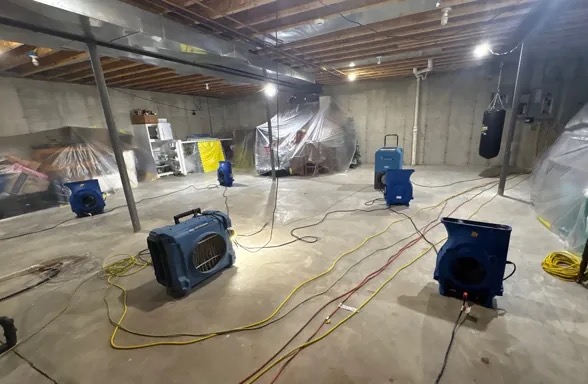
Professional Basement Water Damage Restoration in San Dimas, CA
Few homes in San Dimas have full basements, but the ones that do, along with below-grade rooms and sunken lower levels, can still flood from a burst pipe, a sewer backup or a heavy summer storm.
A finished basement or lower level in San Dimas or La Verne, Glendora and Pomona can hide old moisture behind drywall and flooring. The pros find the water and dry the space before more damage sets in.
Basement Water Damage Restoration Solutions Available in San Dimas
Basement Water Extraction
Submersible pumps remove deep standing water, then portable extractors pull water from carpet, pad and the concrete floor.
Basement Mold Prevention
After drying, an antimicrobial can be applied to framing and concrete that were wet, to slow mold on surfaces that stay in place.
Basement Floor Water Removal
Wet carpet pad is removed from basement floors, since it holds water against the concrete and dries poorly.
Emergency Basement Flood Cleanup
A flooded basement can damage furnaces, water heaters and stored items quickly. Fast pumping limits how much is lost.
Basement Dehumidification
Large dehumidifiers pull moisture from the basement air so walls, framing and the slab can release their water.
Warning Signs You Need Basement Water Damage Restoration
Mold on Surfaces
Dark spots on drywall, framing or stored boxes mean the area has stayed wet for days.
Sewage Odors or Backups
Sewage smells or water coming up through a floor drain mean the sewer line is backing up.
Damp or Musty Odors
A damp, earthy or musty smell in the basement often means hidden moisture in walls, carpet or the slab.
High Humidity Levels Below-Grade
A basement that stays damp and clammy even on dry days has a moisture source that needs attention.
How Basement Water Damage Restoration Works in San Dimas
Step 1: Floodwater Pump-Out
Submersible pumps remove deep water, and electrical hazards are checked before anyone walks in it.
Step 2: Deep Moisture Extraction
Extractors pull water from carpet, pad and the concrete floor after the deep water is gone.
Step 3: Air Circulation and Drying
Air movers keep dry air moving across walls and floors throughout the basement.
Step 4: Dehumidification and Verification
Dehumidifiers run until humidity and material readings confirm the basement is dry.
Common Causes of Water Damage in San Dimas
Window Well Flooding
Window wells without drains or covers fill with rain and leak through basement windows.
Water Heater or Appliance Leaks
Water heaters, washers and utility sinks in the basement can leak or fail without warning.
Stormwater Runoff Into Lower Levels
Heavy rain running off hard ground or a sloped yard can pour down stairwells and under doors into below-grade rooms.
Plumbing Pipe Bursts or Leaks
Supply lines and drain pipes in basement ceilings can crack or burst onto the floor below.
Basement Water Damage Restoration for Homes and Businesses in San Dimas
Residential Basement Water Damage Restoration
A sewer backup in a home basement needs contaminated carpet, pad and drywall removed and every hard surface disinfected before drying.
Commercial Basement Water Damage Restoration
In restaurants and stores with basements, sewage backups need fast containment so contamination does not reach food or customer areas.
DIY vs. Professional Basement Water Damage Restoration in San Dimas
Sewage in a basement should not be cleaned up without gloves, boots and eye protection. For any backup through a floor drain or toilet, call local restoration pros.
What Influences Basement Water Damage Restoration Cost in San Dimas
In San Dimas, basement jobs often run longer than upper-floor jobs because concrete dries slowly. Equipment days make up much of the bill.
Material Saturation
Finished basements with carpet, drywall and insulation take more removal work than bare concrete.
Drying Time Required
Basements dry slowly, and longer drying means more equipment days and monitoring visits.
Affected Square Footage
Larger basements need more extraction, more drying equipment and more days of drying time.
Does Insurance Cover Basement Water Damage Restoration?
Flood damage from rising outside water usually needs flood insurance. Water from inside the home, like a broken pipe, is more often covered.
Benefits of Local Pros for Basement Water Damage Restoration in San Dimas
Industrial-Grade Equipment
Pumps, extractors and large dehumidifiers remove water much faster than household wet vacs and fans.
Water Type Handling
Clean water, gray water and sewage are each handled with the right protection and removal steps.
Containment Strategies
Plastic sheeting keeps contaminated areas separate from clean parts of the house.
24/7 Emergency Basement Water Damage Restoration for San Dimas
A flooded basement damages walls, furnaces, water heaters and belongings quickly. Call (909) 655-4818 for basement water damage restoration in San Dimas at any hour.
Call Now (909) 655-4818Basement Water Damage Restoration Available Throughout Los Angeles County
Besides San Dimas, local restoration pros handle basement pumping, drying and dehumidification in nearby La Verne, Glendora and Pomona.
- Basement Water Damage Restoration in La Verne
- Basement Water Damage Restoration in Glendora
- Basement Water Damage Restoration in Pomona
- Basement Water Damage Restoration in Covina
- Basement Water Damage Restoration in Claremont
- Basement Water Damage Restoration in Azusa
- Basement Water Damage Restoration in Walnut
- Basement Water Damage Restoration in West Covina
- Emergency Damage Restoration in 91773
- Storm Damage Restoration in 91773
- Water Damage Restoration in 91773
- Water Extraction Service in 91773
- Water Leak Detection in 91773
- Water Removal Service in 91773
Your Basement Water Damage Restoration Questions Addressed
Can wet basement drywall be saved after water damage?
Sometimes, if the water was clean and removed quickly. Soaked or sewage-contaminated drywall is cut out above the water line.
Why is dehumidification so important after basement water removal?
Basements hold moisture in the air and concrete. Without dehumidifiers, walls and framing stay damp long after the water is gone.
How long does below-grade drying take after a flood?
Often several days or longer, since concrete and cool basement air dry slowly. Daily readings show progress.
Why is fast response important for below-grade flood restoration?
Basements dry slowly, so every hour of standing water adds days of drying and more material to replace.
Should I try below-grade waterproofing myself after flooding?
Sealing a small crack can be a DIY job, but drying must come first, and larger waterproofing work should go to a contractor.