Corona, CA · Riverside County
Basement Water Removal in Corona, CABasement Drying Services & Basement Water Pump Out
Basement Water Removal in Corona covers basement water pump out, basement wall drying and basement dehumidification after a flood.
Answered 24/7
Local Basement Water Removal Services for Corona
A basement that looks dry a day after a flood in Corona can still hold a lot of water in the slab, the bottom of the walls and under flooring. That hidden water causes the musty smell many basements have.
Homeowners in Corona can call (909) 655-4818 day or night when the basement is taking on water. Service also covers Home Gardens, El Cerrito and Norco, with the same pumping and drying steps.
Specialized Basement Water Removal for Corona
Basement Drying Services
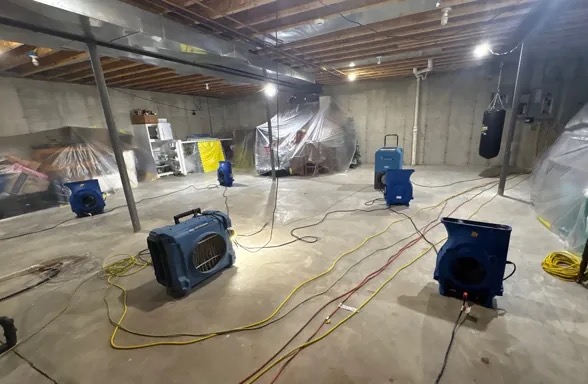
After pumping, air movers and dehumidifiers dry the walls, framing and slab. Readings are taken daily until every surface is back to normal.
Basement Water Pump Out
Pumping starts once power to the basement is safe. Deep water goes first, then extractors handle the thin layer left on the floor.
Emergency Basement Flooding
Emergency response starts with making power safe, stopping the source if possible and pumping out the water.
Basement Dehumidification
Dehumidifiers run continuously during drying, and their output is checked to track how much water is still coming out of the materials.
Basement Wall Drying
Concrete and block walls dry with directed airflow and dehumidification, which pull water out of the masonry.
When to Call for Basement Water Removal in Corona
Soggy or Wet Carpeting
Carpet that feels damp or smells sour is holding water in the pad against the concrete.
Water Stains on Walls or Ceiling
Stains on lower walls or the ceiling below a bathroom or kitchen point to a leak.
Rusted Appliances or Furniture
Rust on appliance bases, furniture legs or metal shelving points to standing water or long-term dampness.
Efflorescence on Concrete Walls
White, powdery deposits on concrete walls mean water is passing through the masonry.
How Basement Water Removal Works in Corona
Step 1: Emergency Water Extraction
Power is made safe, then pumps and extractors remove standing water from the basement floor.
Step 2: Detailed Moisture Inspection
Meters map wet walls, framing and slab areas, including behind finished walls and under flooring.
Step 3: Drying and Dehumidification
Air movers and large dehumidifiers run continuously, with readings checked every day.
Step 4: Final Verification and Monitoring
Readings are compared to dry areas, and equipment is removed only when the basement tests dry.
Sources of Basement Water Problems
Foundation Cracks and Seepage
Cracks in foundation walls and the slab let groundwater seep in during wet weather.
Sewer Line Backups and Blockages
A blocked sewer line can push wastewater up through basement floor drains and toilets.
Appliance Malfunctions and Overflows
Washers, utility sinks and water softeners in the basement can overflow or leak.
Heavy Rainfall and Storm Flooding
Heavy rain saturates the soil and pushes water through walls, cracks and the floor joint.
Basement Water Removal for Homes and Businesses
Residential Basement Water Removal
Older homes with a basement may see seepage with every heavy storm. Water removal handles the current damage, and the entry point is noted for a waterproofing contractor.
Commercial Basement Water Removal
Multi-unit buildings with shared basements need each storage and laundry area pumped, dried and documented for the property manager.
Professional Basement Water Removal Versus Do-It-Yourself
Fans by themselves can spread damp basement air through the rest of the house. Basement drying needs dehumidifiers that pull moisture out of both the air and the concrete.
Understanding Basement Water Removal Pricing
In Corona, the drying phase usually costs more than the pumping, because basements need equipment running for several days.
Additional Services
Antimicrobial treatment, contents cleaning and repairs after drying add to the cost.
Water Depth and Volume
Deeper water takes more pumping time and usually means more materials got wet.
Contamination Level
Sewage or dirty water needs protective gear, removal and disinfection, which costs more.
Does Insurance Cover Basement Water Removal?
Photograph the water level, damaged belongings and appliances before cleanup, and keep receipts for emergency pumping and drying equipment for your adjuster.
The Value of Professional Basement Water Removal
Methodical Water Removal Process
Water is removed in a set order: pump-out, extraction, removal of soaked materials, then drying.
Industry Drying Standards
Water removal and drying follow industry water damage standards, with readings at every visit.
Moisture Inspection
Meters and thermal cameras find water in walls, floors and slab that looks dry.
24/7 Basement Water Removal When You Need It
Storm night, weekend or holiday, local basement drying experts handle basement water in Corona. Call (909) 655-4818 to get pumps running and drying started.
Call Now (909) 655-4818Basement Water Removal Throughout Riverside County
Help with basement water removal reaches Home Gardens, El Cerrito and Norco, plus other communities around Corona, for finished and unfinished basements alike.
- Basement Water Removal in Home Gardens
- Basement Water Removal in El Cerrito
- Basement Water Removal in Norco
- Basement Water Removal in Eastvale
- Basement Water Removal in Jurupa Valley
- Basement Water Removal in Chino
- Basement Water Removal in Riverside
- Basement Water Removal in Yorba Linda
- Emergency Damage Restoration in 92877
- Storm Damage Restoration in 92877
- Water Damage Restoration in 92877
- Water Extraction Service in 92877
- Water Leak Detection in 92877
- Water Removal Service in 92877
- Emergency Damage Restoration in 92878
- Storm Damage Restoration in 92878
Answers to Top Basement Water Removal Queries
What is the difference between a pump out and extraction?
A pump out removes deep standing water. Extraction pulls the remaining water from carpet, pad and floors.
What is emergency basement flooding response?
Help any hour to make power safe, stop the source, pump out water and start drying before more damage sets in.
How does a basement moisture inspection work?
Moisture meters and thermal cameras check walls, floors and the slab, including behind finished walls and under flooring.
What should I do right after basement flooding?
Make power safe, avoid sewage, move belongings above the water, take photos and call for water removal.
Why is fast water removal so important for basements?
Basements dry slowly, so every hour of standing water adds drying days and more materials to replace.