Upland, CA · San Bernardino County
Roof Leak Water Removal in Upland, CAWet Insulation Removal & Attic Water Extraction
Roof Leak Water Removal in Upland covers emergency roof tarping, attic water extraction, ceiling water damage cleanup and wet insulation removal.
Answered 24/7
Roof Leak Water Removal in Upland, CA
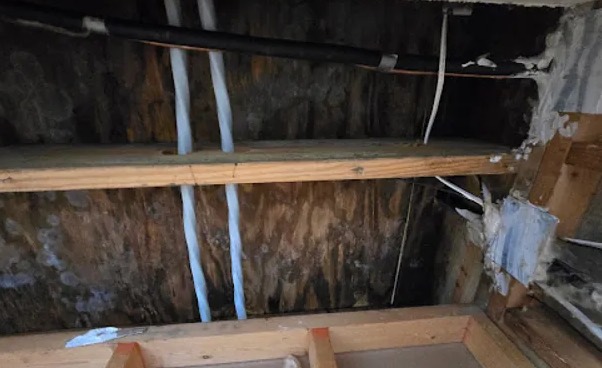
A roof leak rarely stays in one spot. Rain soaks the decking, runs along rafters, pools on the ceiling drywall and can drip into walls before a stain shows in the room below.
Roof leak water removal is available in Upland and nearby Montclair, Claremont and Rancho Cucamonga. The pros tarp the opening if needed, extract the water and dry the attic framing and ceiling drywall.
What Roof Leak Water Removal Covers in Upland
Wet Insulation Removal
Insulation that only got damp at the edges may dry in place. Material that is matted, stained or smells musty is taken out and replaced after drying.
Attic Water Extraction
The pros remove standing water from the attic first, because a ceiling holding water can sag and give way under the weight.
Leak Source Identification
Photos of the entry point, the wet decking and the path of the water give the roofer and your insurer a clear record of the leak.
Structural Drying Services
Wet framing in Upland attics is dried with directed airflow and dehumidification. Daily readings show when the wood is dry enough for repairs.
Wall Cavity Drying
Bubbling paint or a damp baseboard below a ceiling stain means water is in the wall. Drying the cavity keeps the framing and drywall from rotting.
Roof Leak Warning Signs in Upland
Damp Baseboards on Exterior Walls
Wet or swelling baseboards under a ceiling stain mean water has traveled down the wall cavity from the attic.
Dripping From a Light Fixture
Water dripping from a light or ceiling fan means it has pooled above the ceiling. Turn off that circuit and keep people clear.
Rusty Nails in the Attic
Rust on roofing nails or metal straps in the attic means moisture has been collecting there over many rains.
Dark Spots on Attic Wood
Dark streaks or spots on rafters and roof decking show where water has been running or sitting for a while.
How Roof Leak Water Removal Works in Upland
Step 1: Safety Check
Power to wet ceiling fixtures is shut off and sagging areas are marked so no one walks under them during the work.
Step 2: Roof Tarp and Extraction
The roof is tarped if rain is still possible, then water is removed from the attic, ceiling cavities and floors.
Step 3: Drying Setup
Dehumidifiers and air movers are placed in the attic and the rooms below so both levels dry at the same time.
Step 4: Final Readings
When the wood and drywall read dry, equipment is removed and the roofer and drywall repairs can be scheduled.
Why Water Gets Into the Attic in Upland
Aging Roofing Materials
As shingles age they curl, lose granules and crack, and slow leaks start where the roof covering has worn thin.
Nail Pops and Old Penetrations
Nails that back out and holes left from old dishes or antennas open small paths for water that grow with each storm.
Cracked Vent Boots
The rubber collars around plumbing vents dry out and split with age, letting rain drip down the pipe into the attic.
Open Roof Valleys
Valleys carry the most water on a roof. Worn or poorly sealed valleys let that concentrated flow into the decking.
Residential and Commercial Roof Leak Water Removal in Upland
Residential Roof Leak Water Removal
For homeowners, drying the attic and ceiling before stains spread can save the drywall. Moisture readings show what can stay and what has to come out.
Commercial Roof Leak Water Removal
Property managers get moisture readings and photos for each affected unit or suite, which helps when several tenants and an owner's insurer are involved.
What You Can Do Before Help Starts on a Roof Leak
If water is near lights or outlets, turn off that circuit at the breaker. Do not stand on a wet floor to reach a fixture that is dripping.
Pricing Roof Leak Water Removal in Upland
Leaks found early cost less to clean up. Water that sat for a long time can mean more drywall and insulation to replace and longer drying.
Size of the Wet Area
The square footage of wet attic, ceiling and wall sets how much equipment is needed and how long it runs.
Belongings in the Way
Moving and drying furniture, stored boxes and electronics under the leak adds time to the job.
Insulation Removal
Bagging and hauling soaked insulation takes labor, and the attic needs new insulation once the framing is dry.
Does Insurance Cover Roof Leak Water Removal?
Insurance may pay for water removal and drying after a covered roof leak, while the roof repair is handled under different terms. Check your policy and deductible.
Why Professional Roof Leak Water Removal Pays Off
Finding Hidden Water
Thermal cameras and moisture meters find wet insulation and wall cavities that are not visible from the room below.
One Job, Start to Finish
Tarping, extraction, insulation removal and drying happen in order, so each step is not left waiting on another company.
Safe Attic Work
The pros know how to move through an attic on the framing and handle wet ceilings without bringing them down.
24/7 Emergency Roof Leak Water Removal in Upland
A sagging ceiling can come down without warning. Keep people out of the room and call (909) 655-4818 for emergency roof leak water removal in Upland.
Call Now (909) 655-4818Roof Leak Water Removal Near Upland: Areas Served
From Upland to Montclair, Claremont and Rancho Cucamonga, roof leak cleanup follows the same steps: stop the water, remove it from the attic and dry the structure.
- Roof Leak Water Removal in Montclair
- Roof Leak Water Removal in Claremont
- Roof Leak Water Removal in Rancho Cucamonga
- Roof Leak Water Removal in Ontario
- Roof Leak Water Removal in Chino
- Roof Leak Water Removal in La Verne
- Roof Leak Water Removal in Pomona
- Roof Leak Water Removal in San Dimas
- Emergency Damage Restoration in 91784
- Storm Damage Restoration in 91784
- Water Damage Restoration in 91784
- Water Extraction Service in 91784
- Water Leak Detection in 91784
- Water Removal Service in 91784
- Emergency Damage Restoration in 91785
- Storm Damage Restoration in 91785
Questions About Roof Leak Water Removal
Can a roof leak cause mold in the attic?
Yes, if the wood and insulation stay wet. Prompt extraction and drying, plus removing soaked insulation, keep the attic from staying damp long enough for mold.
How do the pros find where a roof is leaking?
They trace the water from the stain up into the attic, follow it along the rafters and decking, and use moisture meters to find the entry point.
Does every roof leak lead to mold?
No. Mold needs materials to stay wet for a day or more. When water is removed and the attic is dried promptly, mold usually does not take hold.
Why does wet insulation have to come out?
Wet insulation stays damp for a long time, holds water against the ceiling and framing, and stops insulating. Removing it lets the attic dry.
What happens after the water is removed?
Drying equipment runs and the pros take readings until the attic and ceiling are dry. Then the roofer and drywall repairs can go ahead.