ZIP 91741 · Glendora, CA · Los Angeles County
Water Damage Restoration in 91741Structural Drying & Water Removal
Water Damage Restoration in Glendora covers sewage cleanup, storm damage repair and structural drying.
Answered 24/7
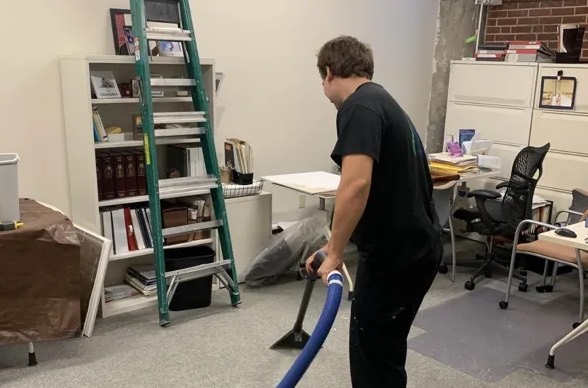
Water Damage Restoration Solutions in 91741, California
In Glendora, moisture that stays in a building leads to big repairs and health problems. Local water removal pros remove the water and dry out the hidden dampness, removing mold when needed.
In Glendora and nearby Azusa, Covina and San Dimas, the pros extract water and dry the structure to industry standards after leaks and floods, before swelling, odor and mold set in.
Detailed Water Damage Restoration Services for 91741
Structural Drying
Structural drying removes moisture from materials like drywall and wood. It uses air movers and dehumidifiers to achieve specific dryness goals, preventing warping and mold.
Water Removal
Powerful extractors pull bulk water from carpets and hard flooring. This initial removal in Glendora is a necessary step before structural drying can begin.
Sewage Cleanup
Sewage is Category 3 water. Cleanup includes removing the sewage, disinfecting surfaces and drying the area in Glendora.
Storm Damage Repair
After a storm, the pros tarp roof damage, extract water and dry wet walls and floors. The pros in Glendora handle the inside of the house.
Mold Prevention After Water Damage
Surfaces that stayed wet are cleaned and treated with an antimicrobial after drying in Glendora homes.
Indicators of Water Damage in 91741 Homes
Musty Odors in Rooms
A persistent musty smell often means hidden moisture and mold growing behind walls or under floors.
Water Stains on Ceilings
Yellow or brown ceiling stains indicate an ongoing water leak from above. The pros should inspect to identify the hidden source.
Wet Spots on Carpets
Carpet or pad that stays damp means water has soaked deep into the floor, where it can rot the subfloor.
Cracked or Warping Floorboards
Hardwood floors that warp, cup, or crack are reacting to moisture. The pros can assess and begin drying.
How Water Damage Restoration Works in 91741
Step 1: First Call and Inspection
An inspection after your call finds the type of water and how far it spread.
Step 2: Bulk Water and Sewage Cleanup
All bulk water, including hazardous Category 3 water from sewage backups, is removed. Specialized sewage cleanup protocols are used for safety.
Step 3: Detailed Moisture Removal
Moisture trapped in subfloors, drywall and insulation is pulled out with targeted drying.
Step 4: Property Restoration Completion
The final phase involves repairing or replacing damaged structural elements and finishes, with the goal of a dry, usable property.
Frequent Sources of Home Water Damage in 91741
Sewer Line Backups or Overflows
Blocked main sewer lines or septic failures can push sewage up into the home through drains.
Appliance Malfunctions and Leaks
Water heaters, washing machines, dishwashers and refrigerators can leak or overflow suddenly and flood the floor.
Fire Suppression System Activation
Fire sprinklers that discharge during a fire or by accident put a lot of water into a building.
Bathroom Fixture Failures
Failed toilet seals, overflowing tubs and leaking shower pans soak carpet and subfloors over time.
Both Residential & Commercial Water Damage Restoration in 91741, CA
Residential Water Damage Restoration
Attic water damage from roof leaks can ruin insulation and decking, affecting energy bills. The pros perform attic drying and may remove wet insulation.
Commercial Water Damage Restoration
Warehouses and plants need heavy-duty water removal over large areas after drainage failures or sprinkler discharges, to protect machinery and storage.
Professional Water Damage Restoration or DIY in 91741?
Catch a small leak under a kitchen sink with a bucket, dry the cabinet and take out stored items. If the cabinet floor or the wall behind got soaked, have it checked for hidden moisture.
Cost Considerations for Water Damage Restoration in 91741
The total cost for water damage restoration in Glendora is shaped by the affected square footage. Extensive flooding across multiple rooms requires more labor and equipment, elevating the final price.
Area Accessibility
Difficult-to-access areas like crawl spaces or attics may require specialized equipment, increasing the time and cost for the experts to complete the work.
Secondary Damage Remediation
Extra work like mold removal or storm repairs adds its own scope and cost.
Affected Materials
Restoration costs vary if water damages drywall, hardwood floors, or custom cabinetry, as each material has different repair or replacement requirements.
Does Insurance Cover Water Damage Restoration?
Insurance coverage for water damage restoration depends on a policy's cause-of-loss terms. Sudden events like a burst pipe are often covered. Gradual leaks may not be.
Advantages of Hiring Water Removal Pros in 91741
Comprehensive Water Extraction
Industrial pumps and extractors remove standing water in homes and commercial buildings.
Detailed Damage Documentation
Pros systematically photograph the damage and record moisture readings, creating a clear visual and data record that can be useful for insurance purposes.
Integrated Service Approach
One set of pros handle the job from the first water removal to the final repairs.
Always-Available Water Damage Restoration for 91741
Sewer backups and major flooding need fast, safe handling. Call (909) 655-4818 24/7 for the pros to start sewage cleanup or water extraction.
Call Now (909) 655-4818Water Damage Restoration Service Area Including 91741, CA
From Glendora to Azusa, Covina and San Dimas, the pros dry wet carpet and structures and repair storm damage.
Frequently Asked Water Damage Restoration Questions
How do restoration pros document water damage for insurance?
Photos and video of the damage, moisture and thermal readings and notes describing the scope of work for the claim file.
What is the difference between water removal and structural drying?
Water removal takes out standing water. Structural drying then removes moisture absorbed into drywall and wood with air movers and dehumidifiers.
Why can mold become a problem after water damage?
Mold can grow in damp materials within 24 to 48 hours. If moisture remains after drying, mold removal may be needed.
How is commercial water damage different from residential?
Commercial jobs are larger, involve building systems and need planning around business hours, so drying is done in sections to limit downtime.
Can wet carpet be saved after water damage?
Wet carpet drying may be possible if extraction begins quickly and the water is clean. Contaminated water often requires disposal. The pros assess the carpet, pad, and subfloor to determine if salvage is feasible.